In September 2022, a new amendment to the IET Wiring Regulations (BS 7671:2018 + A2:2022) quietly came into force.
New RCD Regulations: What Homeowners Need to Know
If you didn’t hear the fanfare, don’t worry, you weren’t supposed to. These changes tend to interest electricians far more than the general public. But if you own a home, it’s worth knowing what’s changed, especially when it comes to RCDs.
Now, here’s the good news: changes to the wiring regulations are not applied retrospectively. That means if your home was safe before September 2022, it’s not suddenly unsafe today just because the book or wiring regulations has been updated.
However, whenever an electrician makes additions, alterations, or installs a new circuit, the latest rules must be applied. And that’s where RCDs step into the spotlight.
What is an RCD?
An RCD (Residual Current Device) is a life-saving bit of kit. Its job is simple but vital - cutting off the electricity supply in the blink of an eye if it detects a fault, such as you accidentally touching a live wire. While fuses and circuit breakers protect equipment, RCDs protect people.
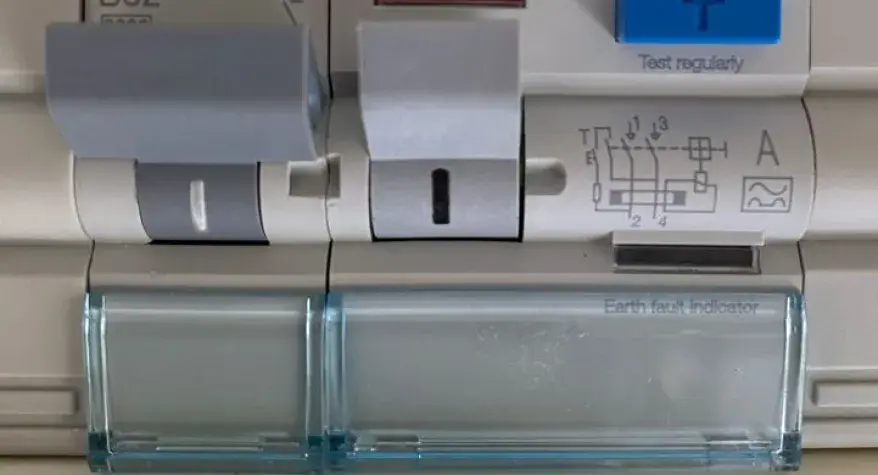
You’ll come across them as standalone devices (BS EN 61008) or combined units such as RCBOs (BS EN 61009). In domestic homes, the two most common types are “Type AC” and “Type A.” And here’s the headline from the latest amendment: Type A is now the new standard.
Why the Change?
In theory, Type AC RCDs work perfectly well with AC faults. But modern households are now filled with electronic gadgets - USB chargers, laptops, LED lights, washing machines, dishwashers, even EV chargers - all of which introduce little pulses of DC current into the system. These pulses can “blind” an old Type AC RCD, making it slow to react… or in some cases, fail to trip at all. Not exactly the kind of reliability you want from a life-saving device.
That’s why Amendment 2 of the regulations has effectively retired the use of Type AC RCDs for socket outlets. They can now only be used on fixed equipment where DC currents aren’t a concern - think old-fashioned light bulbs or immersion heaters.
Type A RCDs: The Modern Standard
Enter the Type A RCD. Unlike their older cousins, these devices can handle both AC fault currents and those pulsating DC fault currents generated by today’s electronic gadgets (up to 6mA). In short, they do everything a Type AC can do, plus a bit more, ensuring your electrics remain safe in the real world of 21st-century homes.
From September 2022 onwards, Type A RCDs have become the minimum requirement for:
- Socket outlets (anywhere you might plug in electronic devices)
- Fixed equipment that could produce DC fault currents (washing machines, dishwashers, LED lighting, EV chargers, etc.)
Type ACs are now strictly reserved for specific fixed equipment where DC simply isn’t an issue. This is the first time wiring regulations have pinned down the choice of RCD type based on the kind of fault current expected—a big step forward for electrical safety.
What This Means for You
If your fuse board already uses Type A RCDs, you’re ahead of the curve. If not, don’t panic—it doesn’t mean your home is unsafe. But it does mean that when you next make electrical changes - adding sockets, running outdoor power to a shed or summerhouse, or upgrading the fuse board - your electrician will need to ensure the latest regulations are met.
At RW Electrics Ltd, we take these updates seriously because RCDs are there to protect lives, not just circuits. Our aim is to make sure your home electrics are not only compliant, but genuinely safe for everyday use.
How RW Electrics Ltd Can Help
If your fuse board is still fitted with older Type AC RCDs, now is a good time to think about upgrading. While they may not be unsafe on their own, they’re no longer the standard for protecting today’s gadget-filled homes.
Based in Shrewsbury and covering the surrounding areas, we can check your current RCD protection and if needed, replace outdated devices with modern Type A RCDs—giving you peace of mind that your electrics are ready for whatever you plug in.
Call Ray today to arrange an RCD check or discuss a fuse board upgrade.